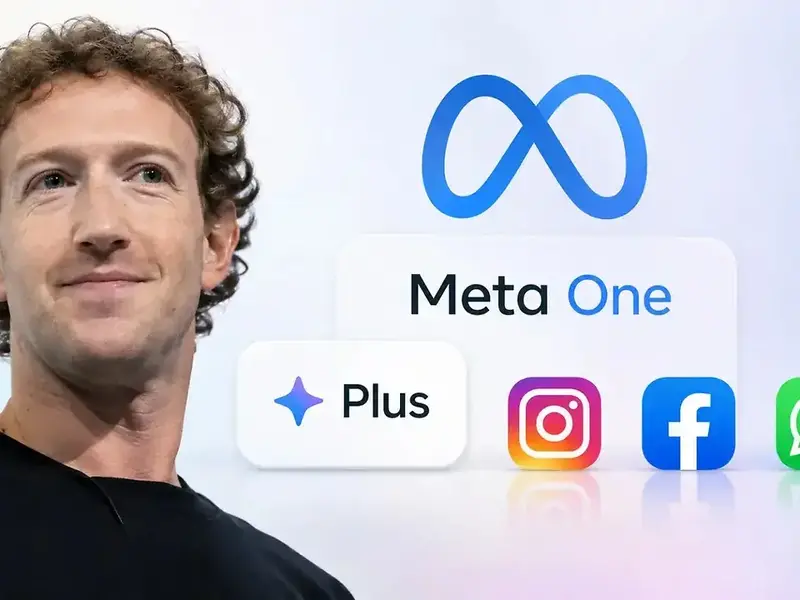
Meta One draws a clearer line between Meta’s free social platforms and a paid professional workspace. The subscriptions package publishing controls, exportable analytics, team access, identity protection, and larger allowances for AI and customer-service tools. Creators now have to decide whether that is business infrastructure or another platform bill.
What Meta is actually selling
Meta One is not one universal creator plan. Personal subscriptions include Instagram Plus at $3.99 per month and the broader Core and Premium bundles at $7.99 and $19.99. They focus on customization, messaging, and increased use of Meta’s AI tools.
The more consequential pricing sits in the creator and business range. Essential starts at $14.99 per month and includes the option to apply for a verified badge, impersonation protection, a verified WhatsApp channel, and more Business Agent access. Advanced starts at $49.99 and adds Story scheduling up to 30 days ahead, links in organic posts and Reels, exportable analytics, deeper audience insights, and password-free team access. Expert starts at $149 and Max at $499, aimed at larger operations.
Those are starting prices, not a universal UAE rate card. Meta says plans, features, pricing, and availability vary by region, app, and account. Its newsroom describes a global rollout, while the product page says Meta One is not available everywhere. A creator in Dubai should treat the in-app offer as final rather than assume every announced feature is available.
This is not the same as paying for reach
The most important distinction is what Meta does not promise. The announcement describes a bolder follow button on Reels, automatic invitations for engaged viewers to follow, and tools intended to turn attention into action. It does not say Meta One improves recommendation ranking, guarantees distribution, or makes a weak Reel perform better.
Conversion and discovery tools solve different problems. A follow invitation may capture more value after somebody engages. A Reel link may shorten the path to a product page, while exportable analytics may simplify client reporting. None creates the original attention. You still need a useful idea, a strong opening, credible execution, and content people choose to watch.
Meta One may improve the operating system around growth, but the case for buying it should come from time saved, actions completed, or revenue attributed — not an assumption that a subscription purchases organic reach.
Who could reasonably pay for it
Essential is easiest to justify when a creator’s identity is already commercially valuable. If impersonation creates support work, verification improves customer trust, or WhatsApp handles meaningful demand, the plan can function as a security and operations expense. A badge alone is a weaker reason.
Advanced suits creators who already operate like small media companies. Story scheduling, organic links, analytics exports, and team access address recurring workflow problems. Several monthly campaigns may justify the fee through fewer manual reports, safer collaboration, and faster handoffs. An occasional solo creator is less likely to extract the same value.
The Expert and Max tiers demand a higher bar. At $149 or $499 per month, the decision should be tied to measurable volume: multiple managed accounts, substantial WhatsApp operations, or quantifiable value from expanded agent capacity. Buying the most expensive tier because it sounds professional is not a strategy.
What brands should change in creator briefs
Brands should not assume every creator has access to paid Meta One features. If a campaign depends on an organic Reel link, exportable platform analytics, scheduled Stories, or shared account access, confirm that capability before signing the scope. Do not turn a platform subscription into a hidden production cost after the creator has already quoted the job.
The cleaner approach is to brief the outcome: destination, reporting evidence, publishing window, and access requirements. If a paid feature is required only for the campaign, the commercial conversation should establish who covers it. A simple content booking should not become an indefinite software commitment for the creator.
The bigger risk is dependency
Meta One can reduce friction while increasing dependence on Meta’s stack. As more planning, analytics, customer communication, protection, and team access move into one subscription, comparing tools or leaving the ecosystem gets harder. Features can also move between tiers or arrive at different times across markets.
Keep source files, reports, contracts, customer data, and access procedures outside any single platform. Paid convenience is useful; lock-in is expensive. The subscription should strengthen a business system, not become the system itself.
CreatorMarket take
Meta One is not automatically a bad deal, and it is not automatically a growth investment. It is a menu of workflow, protection, conversion, and AI features sold at very different price points. The right plan is the cheapest one that removes a recurring bottleneck you can name and measure.
Before subscribing, track the problem for one month. Count the hours spent scheduling, exporting reports, coordinating access, handling impersonation, or moving interested viewers toward a sale. Then compare that cost with the exact features available on your account. If the subscription clearly saves more time or protects more revenue than it costs, it is infrastructure. If the case depends on vague hopes of better reach, keep the free tools and invest in the content instead.