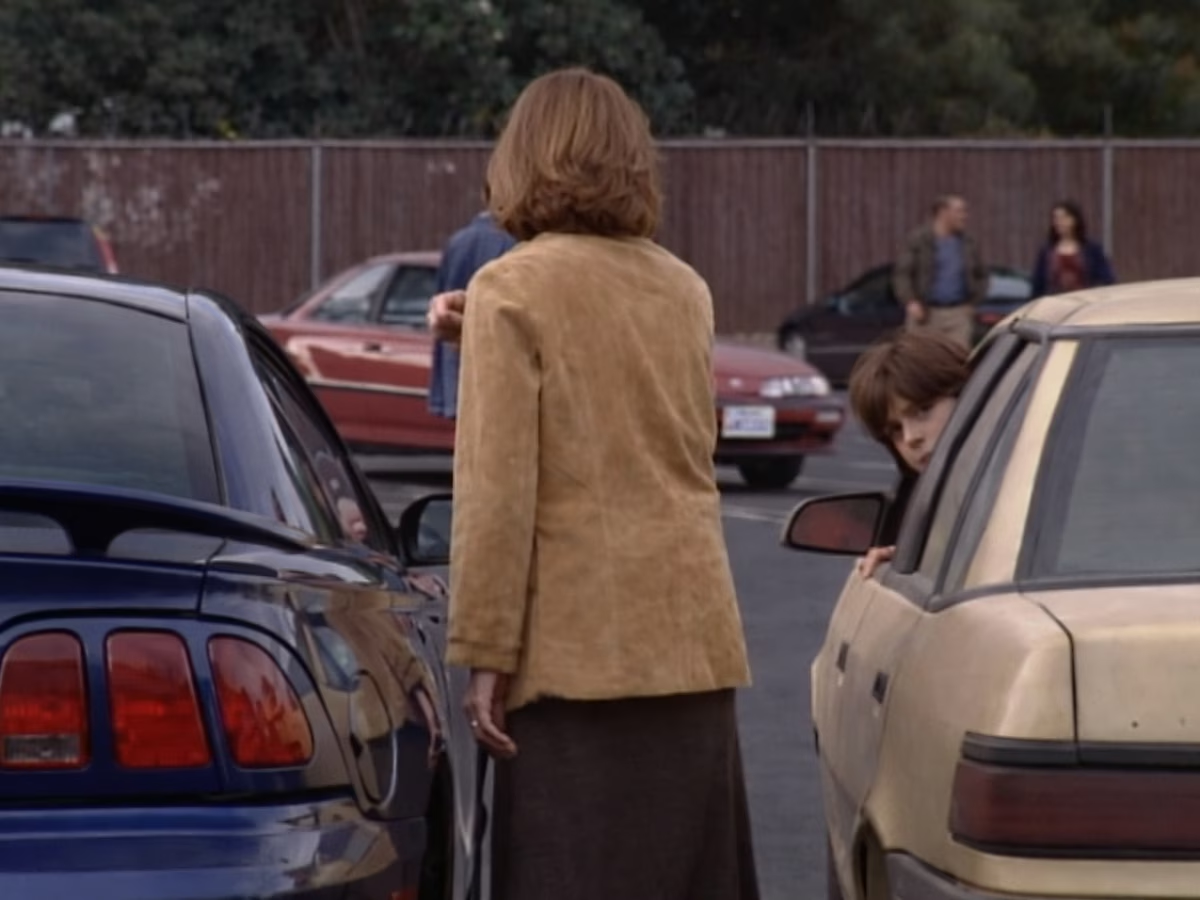
Content style: Cinematic parody and audio-driven reveal
Summary
Creators walk out of a gas station to a slowed "2 On" beat, then cut to dramatic cinematic b-roll of their beat-up car. The worse the car, the better it works. The contrast between premium editing and a dented Honda is the whole joke.
Creative Center · Volume
12K
7 day posts
38K
30 day posts
85K
Archive
+31.6% weekly momentum. 31.6% of 30-day volume landed in the last 7 days
Format analysis
Why this format travels
The edit borrows the visual grammar of a luxury reveal: a deliberate walk, detail shots, controlled camera movement, and music that promises a high-value object. The subject then breaks that promise without changing the seriousness of the filmmaking. That gap creates the joke. If the creator signals the punchline too early or treats the car as worthless, the contrast disappears. Affection for the ordinary object is what keeps the parody from feeling mean.
The same structure can reveal a battered work laptop, a tiny home studio, an old gym bag, or a first apartment. Choose something the audience understands immediately, shoot three or four specific details, and keep the grade and pacing consistent through the reveal. Film vehicles only while parked in a safe location, hide registration details where necessary, and do not stage dangerous driving. A sponsor can support the transformation or maintenance story, but should not turn the humble subject into a fake luxury claim.
How to remake it
Film a slow walk-out, cut to dramatic angles of your beater. Use slow pans, hazard light flashes, and engine revs. The format also works for other mundane objects: apartment reveals, desk setups, gym bags.
Why it works
Zero production cost besides a phone and any car. The worse your car, the better the content. Works across lifestyle, comedy, and car content niches.
Watch out
The format is the joke. If you actually have a nice car, it does not land the same way. The parody only works when the subject is genuinely underwhelming.