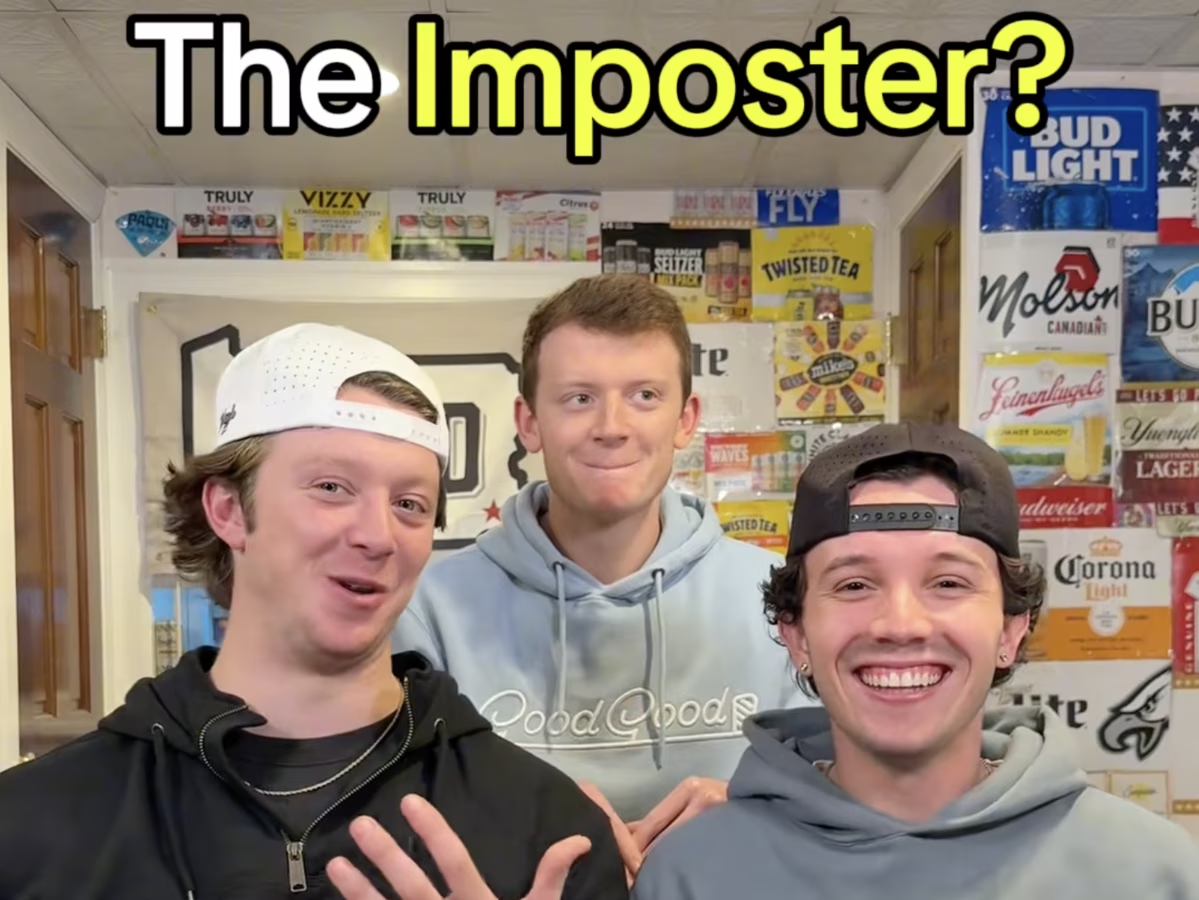
Content style: Group game and reveal format
Summary
Everyone gets the same secret word except one person. Players give one-word clues while the impostor bluffs. The reveal moment, when the impostor is caught or fools everyone, is the viral clip.
Creative Center · Volume
4K
7 day posts
—
30 day posts
6M
Archive
4K posts in the last 7 days. The best official proxy is #amongus trend volume. Treat this as a format signal, not an exact hashtag count for every impostor game edit.
Format analysis
Why this format travels
The audience needs enough information to investigate alongside the group. Establish the category, show who speaks in what order, and keep each clue audible without explaining the full rules between rounds. Tight reaction shots help viewers notice hesitation, but editing should not falsely assign suspicion to someone who was playing normally. The most satisfying reveal feels earned because an earlier clue becomes obvious in retrospect, not because the creator withholds every useful detail until the end.
Record one complete round and cut repetition instead of scripting an artificial winner. Give participants a way to decline topics, especially when a category could expose personal information or embarrass someone. A brand version works best when the secret words relate naturally to products, roles, or campaign themes and every participant understands the disclosure. The format can travel across offices, campuses, gyms, and creator groups, but the social chemistry must remain more important than the product placement.
How to remake it
Run a short challenge where one person is fake, off-brief, or out of place. Reveal the impostor with tight cuts, quick reactions, and a final punchline.
Why it works
Good for campus, creator squads, beauty counters, gym groups, cafes, and brand teams. Creates interaction without needing a complex script.
Watch out
Execution matters. If the setup takes too long, drop-off is brutal. The reveal needs to happen fast and the group chemistry has to feel real.